

18-wheeler culture is defined as the shared lifestyle, language, and code of conduct among long-haul truck drivers that transforms an isolating profession into a bonded community. Known in the industry as over-the-road (OTR) trucking culture, it encompasses everything from the rhythms of life inside a sleeper berth to the slang passed down from CB radio days. This culture is not a marketing concept. It is a living set of values, built mile by mile, that gives professional drivers a sense of identity, belonging, and pride that no job description captures.
What does 18-wheeler culture mean in daily life?
The lived experience of OTR trucking is the foundation of the culture. Drivers spend 2–3 weeks on the road at a stretch, returning home for only 2–4 days before heading out again. That rhythm shapes everything: sleep schedules, eating habits, relationships, and mental outlook.
Life happens inside a space of roughly 70 square feet. A sleeper berth, typically 7 feet long and 7–8 feet wide, serves as bedroom, kitchen, and office combined. Drivers who thrive long-term treat that space with intention. They invest in comfort: quality mattresses, compact cooking setups, and organized storage. Investing in sleeper quality directly correlates with higher driver satisfaction and longer careers.
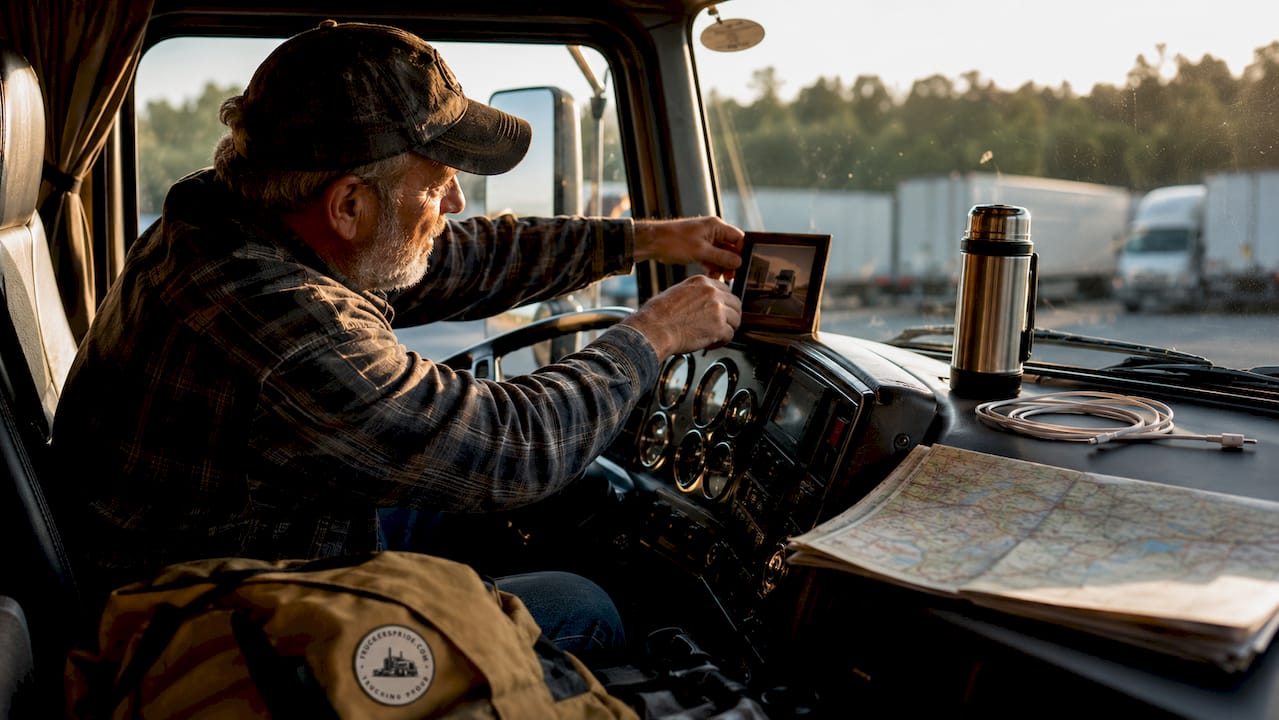
The “lone wolf” image of trucking is partly true and partly myth. Drivers do spend long hours alone. But they are never fully isolated. Truck stops become social hubs. Parking lots become neighborhoods. The road becomes routine, and within that routine, a culture takes shape.
Key realities of the OTR lifestyle include:
- Eating on the road: Drivers rely on truck stop diners, coolers, and portable cooking gear. Meal planning is a skill the culture respects.
- Health discipline: Sitting for long hours demands deliberate exercise and sleep management. Mental toughness is not optional.
- Relationship strain: Weeks away from family require communication discipline and trust built over time.
- Pride in the rig: A clean, well-maintained truck signals professionalism. Drivers notice each other’s rigs the way craftsmen notice each other’s tools.
Pro Tip: Drivers who personalize their sleeper cabs, even with small touches like photos or a reliable coffee maker, report stronger morale and a clearer sense of home on the road.
How does language and slang shape trucking culture?
Trucking slang is not colorful decoration. It is a cultural fingerprint that compresses information, signals trust, and creates brotherhood on isolated roads. Its roots go back to the 1970s CB radio boom, when CB radio usage exploded from 1 million units in 1973 to over 12 million by 1976. That explosion created a shared vocabulary almost overnight.
Terms like “bear” (law enforcement), “10-4” (acknowledged), and “lot lizard” (a truck stop solicitor) remain in active use decades later. They are not nostalgic quirks. They serve a real function: rapid, coded communication between drivers who may never meet face to face. A driver who knows the language signals immediately that they belong.
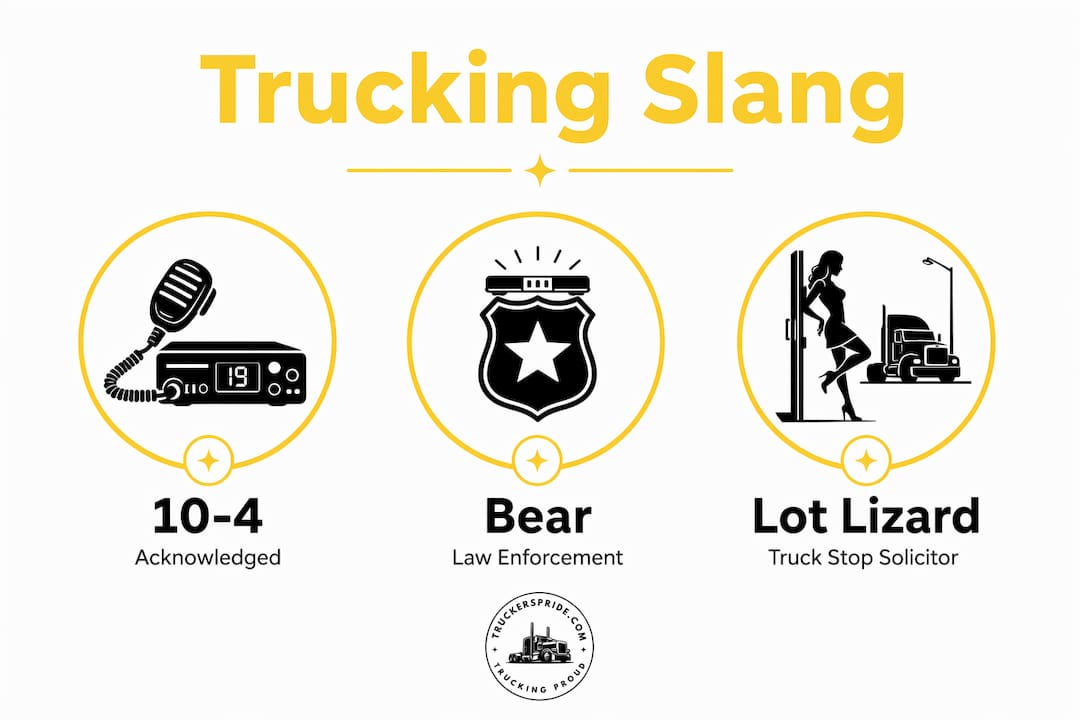
| Term | Meaning | Function |
|---|---|---|
| Bear | Law enforcement officer | Safety alert, fast communication |
| 10-4 | Message received and understood | Confirmation without repetition |
| Hammer down | Accelerating, moving fast | Status update on road pace |
| Lot lizard | Truck stop solicitor | Warning between drivers |
| Chicken hauler | Poultry transport truck | Identification shorthand |
Slang evolves through CB radio, truck stops, and now social media and online forums. New drivers learn it from veterans. Enthusiasts pick it up from podcasts and YouTube channels. The language keeps the culture alive across generations.
Pro Tip: Learning basic CB slang before your first long haul is not just practical. It signals respect for the culture and opens doors to real conversations at truck stops.
What unwritten rules govern the 18-wheeler community?
The “Unwritten Code” is the social contract of trucking culture. It covers behavior at fuel islands, truck stop parking lots, loading docks, and on the highway itself. Violations in conduct affect a driver’s reputation faster and more permanently than any official record.
The code is specific. It is not vague advice about “being respectful.” It is a set of practiced behaviors that every professional driver recognizes:
- Fuel island efficiency: Pull up, fuel, and move. Blocking pumps while eating or sleeping is a serious breach of trust.
- Parking lot courtesy: Take only the space you need. Leave room for others, especially at crowded stops.
- Passing etiquette: Signal clearly, pass decisively, and flash your lights to confirm when a passing driver can safely merge back.
- Dock conduct: Arrive on time, communicate delays early, and treat dock workers with the same respect you expect on the road.
- CB radio manners: Keep transmissions brief and useful. Dead air and chatter waste everyone’s time.
“Respectful passing, clean parking, and calm demeanor separate professional drivers from casual operators. The ‘gentleman of the highway’ standard is not a slogan. It is a daily practice that defines who earns respect in this community.”
The code matters more now than ever. Modern trucking culture operates under dash cams, electronic logging devices, and telematics systems that record nearly every move. Drivers feel the weight of that surveillance. The Unwritten Code becomes a form of resistance and self-respect: a way of saying that professionalism comes from within, not from a camera.
How does 18-wheeler culture shape identity and community?
Trucking culture extends well beyond the cab. It lives in music, apparel, folklore, and the gatherings where drivers and enthusiasts connect. Truck-driving country music has produced over 500 songs that capture the loneliness, romance, and grit of life on the road. C.W. McCall’s “Convoy” (1976) became a cultural landmark, reaching audiences far beyond the trucking world and cementing the driver’s image as a working-class hero.
Apparel carries cultural meaning in this community. What a driver wears signals pride, belonging, and identity. Trucking apparel builds camaraderie in the same way a uniform builds team identity. A trucker cap or a well-worn hoodie with the right message says something without words. Truckerspride designs apparel specifically for this purpose, creating gear that resonates with the lived experience of long-haul drivers.
Community rituals reinforce the culture across generations:
- Truck shows and rallies: Events like the Mid-America Trucking Show draw thousands of drivers and enthusiasts who share knowledge, admire rigs, and reconnect.
- Online forums and social media groups: Facebook groups and Reddit communities keep drivers connected between hauls, sharing route tips, safety alerts, and cultural humor.
- Mentorship on the road: Veteran drivers pass down knowledge to newcomers through CB conversations, parking lot advice, and shared meals at truck stops.
The culture is also shifting. The “lone wolf” ideal is giving way to a more sustainable model. Drivers who invest in comfort and community stay in the profession longer and carry the culture forward with more depth and stability.
Key Takeaways
18-wheeler culture is defined by a shared code of conduct, a distinct language, and a community built through discipline and mutual respect across thousands of miles.
| Point | Details |
|---|---|
| Culture is built on lived experience | OTR schedules of 2–3 weeks on the road shape every value and habit in trucking culture. |
| Language creates belonging | CB radio slang, born in the 1970s, still functions as a trust signal and identity marker today. |
| The Unwritten Code governs reputation | Fuel island manners, parking courtesy, and passing etiquette define a driver’s standing among peers. |
| Identity extends beyond the cab | Music, apparel, and community gatherings preserve and share trucking culture across generations. |
| Surveillance tests but does not erase the code | Modern monitoring has pressured driver autonomy, but the culture’s core values persist through community standards. |
The road has changed, but the code has not
I have spent years studying and writing about working cultures that most people never see up close. Trucking is the one that surprises people most. They expect grit and isolation. They do not expect the sophistication of the social code.
What strikes me most is how the Unwritten Code has survived the surveillance era. Dash cams and electronic logs have changed the external environment completely. But the internal culture, the way drivers treat each other at fuel islands and loading docks, has held. That is not nostalgia. That is discipline.
The tension I see most clearly is between the romantic image of trucking and its modern reality. Trucker culture is often romanticized, but the drivers who last are the ones who accept the full picture: the health demands, the relationship strain, the shrinking autonomy. They do not pretend the road is glamorous. They find meaning in the responsibility.
The cultural shift toward comfort and community, away from the lone wolf ideal, is not weakness. It is wisdom. Drivers who build sustainable lives on the road carry the culture forward with more integrity than those who burn out chasing a myth. The heritage is worth preserving. The code is worth keeping. And the pride built over miles is real.
— Sylvain
Gear that carries the culture with you
Long-haul drivers know that what they wear on the road is part of who they are. It is not vanity. It is identity.
Truckerspride designs apparel for drivers who take their profession seriously. The Everyday Essentials Bundle brings together a hoodie, tee, and cap built for long hauls and printed locally in North America. Each piece is comfort-tested and road-proven, made for the hours most people never see. The Pride in Every Mile trucker cap is a simple, durable statement of what the culture stands for. For drivers and enthusiasts who want gear that means something, Truckerspride delivers it without compromise.
FAQ
What does 18-wheeler culture mean exactly?
18-wheeler culture is the shared lifestyle, language, and social code among long-haul truck drivers. It encompasses OTR living rhythms, CB radio slang, unwritten etiquette, and a community identity built through years on the road.
Where did trucking slang come from?
Trucking slang originated from the 1970s CB radio boom, when usage grew from 1 million to over 12 million units between 1973 and 1976. Terms like “bear” and “10-4” were born from the need for fast, coded communication between drivers.
What is the Unwritten Code in trucking?
The Unwritten Code is the informal set of behavioral standards governing truck stop, fuel island, and loading dock conduct. Violations damage a driver’s reputation among peers more quickly than any official record.
How does apparel connect to trucker identity?
Apparel signals belonging and pride within the trucking community. Drivers and enthusiasts use clothing to express cultural identity, with heritage designs and road-specific messaging carrying meaning that generic brands cannot replicate.
Is 18-wheeler culture changing?
The culture is evolving in response to electronic logging, dash cams, and telematics. The shift has reduced driver autonomy, but the core values of mutual respect, professionalism, and community have persisted through community standards and shared tradition.