

What fleet managers need to know about choosing climate-appropriate fleet workwear
The right workwear decision starts with one honest question: what conditions are drivers actually facing out there? Not the conditions on paper, but the real ones. A driver loading freight in Phoenix in July faces a fundamentally different physical challenge than one running routes through Minnesota in january. Heat stress is the leading environmental hazard impacting worker safety and productivity, and the apparel a fleet provides either helps manage that risk or quietly makes it worse.
Choosing climate-appropriate fleet workwear means matching fabric technology, layering strategy, and safety compliance to the specific conditions drivers encounter, season by season. The core criteria are:
- Breathability and moisture-wicking for hot or humid routes
- UPF 50+ rated fabrics for sustained sun exposure outdoors
- Thermal underwear and insulated mid-layers for cold weather workwear options
- ANSI-compliant high-visibility garments wherever traffic exposure exists
- Flame-resistant textiles for drivers near fuel, chemicals, or industrial sites
- Ergonomic, flexible construction that holds up through long shifts and repeated movement
Truckerspride builds its apparel around exactly these demands, with durable, breathable fabrics engineered for the physical realities of long-haul and fleet work.
How seasonal changes shape fleet workwear needs
Weather does not stay still, and neither do the demands on a driver’s gear. A layering system is the most practical answer to variable conditions because it lets drivers adapt without changing their entire uniform.
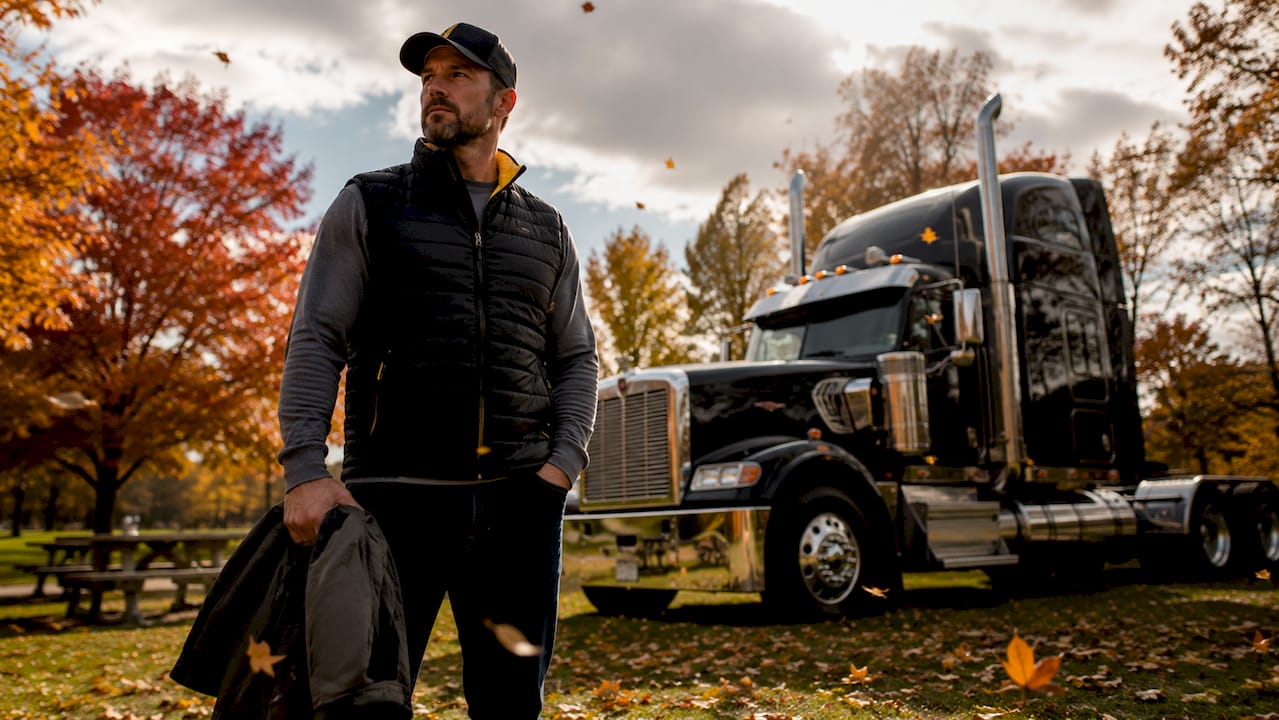
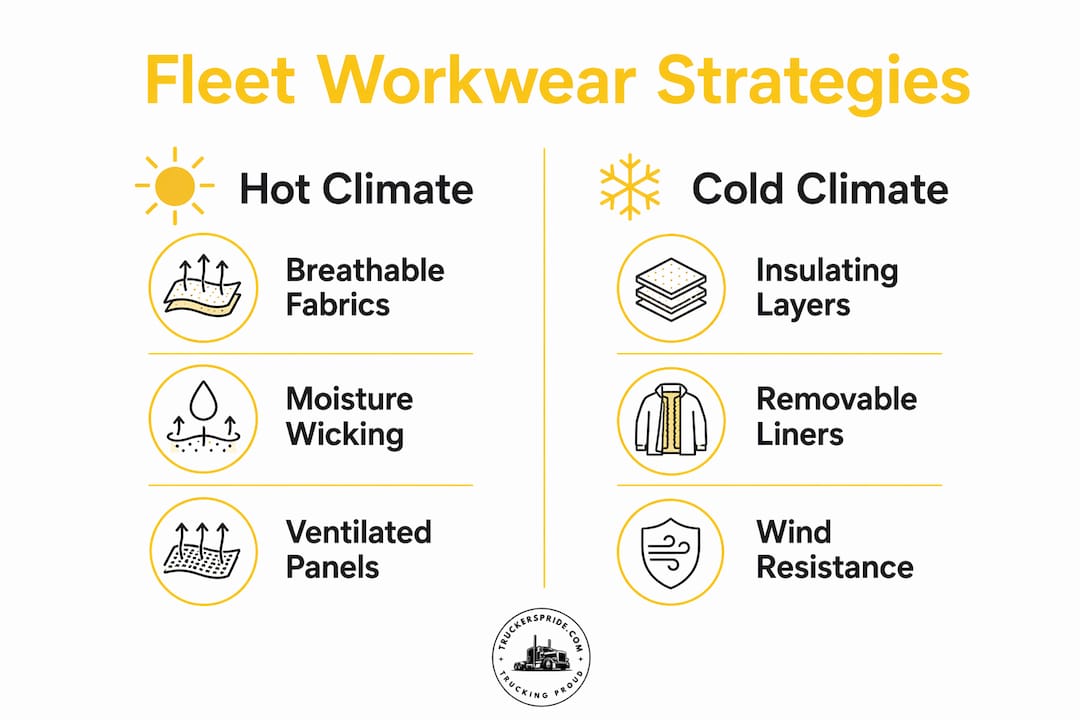
For hot climates and summer routes, the priority is ventilation and weight. Lightweight fabrics in the 145–200 GSM range with moisture-wicking and UPF 50+ properties balance durability with protection. Light colors reflect solar radiation rather than absorbing it, reducing surface heat buildup.
For cold weather workwear, a three-layer approach works best:
- A moisture-wicking baselayer, ideally merino wool or hydrophobic synthetic, to pull sweat away from skin
- An insulating mid-layer such as a fleece or quilted vest to trap warmth
- A windproof, waterproof outer shell rated for the coldest temperatures drivers encounter
For mixed or transitional climates, layering systems with removable liners and convertible ventilation panels give drivers control without requiring a full wardrobe change at every stop.
Maintenance matters across every season. Moisture-wicking finishes degrade with harsh detergents. Flame-resistant garments require specific washing protocols to preserve their protective properties. Building a simple care guide into the uniform program extends garment life and keeps safety ratings intact.
Pro Tip: Review local weather data for each route corridor quarterly, not just annually. Driver feedback from the road often surfaces climate problems that weather averages miss entirely.
Which fabric technologies actually perform under pressure
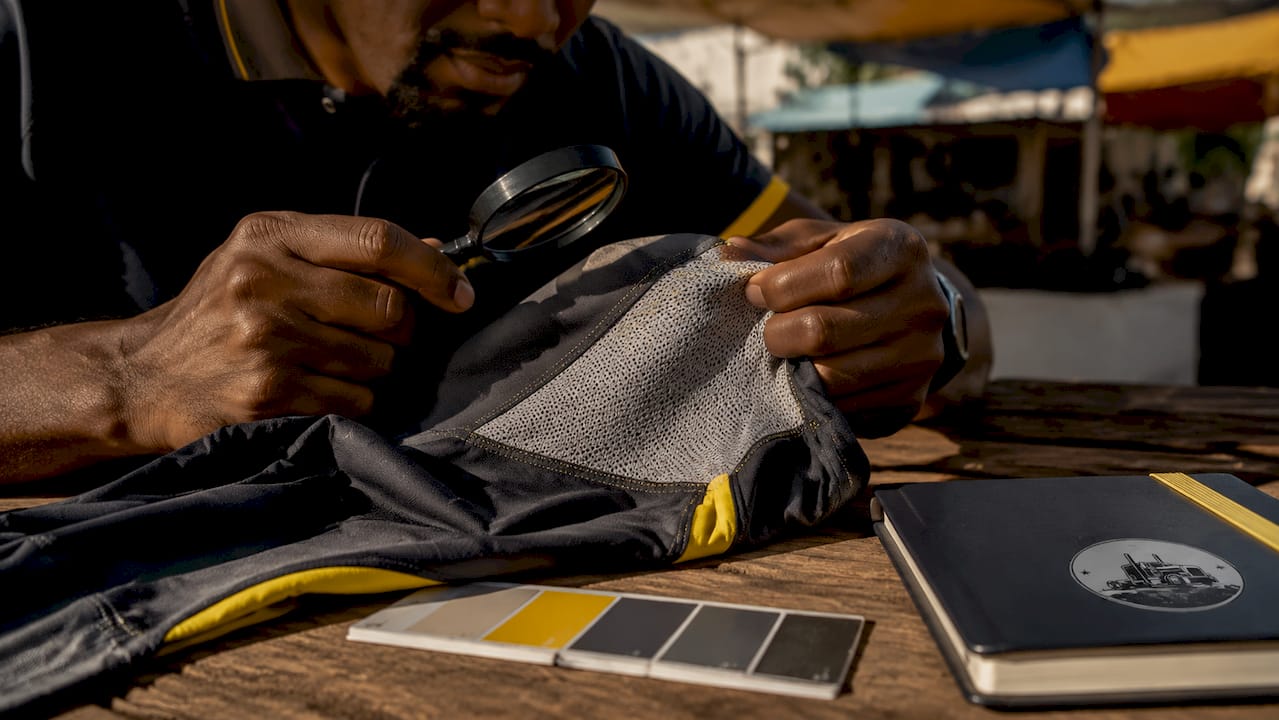
The gap between a garment that looks right on a spec sheet and one that holds up through a twelve-hour shift is almost always in the fabric. Technical fabrics like stretch ripstop with laser-perforated ventilation significantly improve airflow and heat management in hot work environments, with permanent moisture-wicking and 50+ UPF sun protection built into the construction.
Key fabric categories for fleet workwear programs:
- Moisture-wicking synthetics (polyester, polypropylene blends): fast-drying, lightweight, suited for high-activity roles in warm conditions
- UPF 50+ certified fabrics: certified under EN 13758 or equivalent standards, blocking the majority of UV radiation during extended outdoor exposure
- Flame-resistant (FR) textiles: aramid and modacrylic blends that self-extinguish, required near fuel or industrial hazards
- Waterproof-breathable membranes: microporous or hydrophilic constructions that block rain while allowing perspiration vapor to escape
- Phase change materials (PCMs): temperature-reactive materials that absorb or release heat as conditions shift, useful for drivers moving between cold docks and warm cabs
- Abrasion-resistant ripstop weaves: reinforced at stress points like knees, elbows, and cuffs to extend garment life in high-wear roles
A moisture-wicking, breathable button-down shirt built from these principles gives hot-climate drivers real relief without sacrificing the professional appearance a fleet program requires. For foot protection on outdoor routes, wool-blend crew socks provide natural temperature regulation across seasons.
Avoid untreated cotton as an outer layer in any extreme climate. It absorbs moisture, holds it against the skin, and dries slowly, which creates heat risk in summer and cold risk in winter.
What safety standards actually govern fleet workwear
Compliance is not a checkbox. It is the foundation that protects drivers and shields fleet operators from liability. The standards that matter most in U.S. fleet environments are:
- ANSI/ISEA 107: governs high-visibility apparel, requiring fluorescent background material and retroreflective tape for workers exposed to traffic. Class 2 and Class 3 ratings apply to most fleet and roadside roles.
- ASTM F1506 / NFPA 2112: flame-resistant garment standards for drivers near fuel, chemicals, or industrial sites
- EN 343 (waterproof/breathability): widely referenced for rain protection ratings, measuring both water penetration resistance and breathability
- EN 342 / ASTM F2732: thermal protection standards for cold environments, specifying insulation performance at sub-zero temperatures
- EN 13758 / UPF ratings: UV protection standards for outdoor sun exposure
ANSI and related standards mandate flame resistance, visibility, thermal protection, and material performance for workwear, and proper adherence reduces employee injury rates and associated costs. Best practices for maintaining compliance:
- Audit garments at each seasonal transition for wear, fading, and reflective tape integrity
- Verify that washing protocols preserve FR ratings and high-visibility properties
- Document standard certifications for each garment in the fleet’s PPE records
- Run field trials with frontline drivers before committing to large uniform orders
Why specialized truck driver apparel makes a measurable difference
Truck drivers carry a particular kind of discipline into every shift. The hours are long, the conditions change without warning, and the physical demands accumulate quietly over miles. Generic workwear was not designed with that reality in mind.
Properly engineered truck driver apparel with moisture-wicking and flexible construction improves comfort on long hauls and supports performance under demanding conditions. The difference shows up in reduced fatigue, better focus, and fewer heat-related incidents over the course of a season.
Truckerspride builds its apparel specifically for the trucking community, with road-proven construction and local North American manufacturing that supports faster delivery and consistent quality. Key attributes of Truckerspride’s approach:
- Durable fabrics tested for the friction and wear patterns specific to cab environments
- Breathable construction that manages heat buildup during loading, unloading, and extended driving
- Flexible fits that allow full range of motion without binding or riding up
- Locally printed and manufactured, reducing lead times for fleet reorders
For cooler routes and layering programs, the premium pullover hoodie offers warmth and comfort built around the demands of the road. Fleets building out a full cold-weather program will find the fleece hoodie option a reliable mid-layer. The everyday essentials bundle covers the core wardrobe needs of drivers across seasons, combining durability with the kind of comfort that holds up shift after shift.
A seasonal clothing checklist helps fleet managers structure their procurement around actual route conditions rather than general assumptions. The drivers who wear this gear every day deserve that level of thought.
Key Takeaways
Climate-appropriate fleet workwear requires matching fabric technology, layering strategy, and ANSI-compliant safety standards to the specific seasonal and environmental conditions drivers face across U.S. routes.
| Point | Details |
|---|---|
| Fabric weight for heat | Lightweight fabrics with UPF 50+ ratings balance durability and sun protection for hot-climate routes. |
| Layering for cold weather | A baselayer, insulating mid-layer, and waterproof shell extends safe outdoor work duration and guards against cold-related injury. |
| ANSI compliance | ANSI/ISEA 107 high-visibility standards and ASTM flame-resistance ratings are the baseline for most U.S. fleet environments. |
| Specialized driver apparel | Purpose-built truck driver apparel with moisture-wicking and flexible construction reduces fatigue and supports safety on long hauls. |
| Seasonal audits | Reviewing garments and local weather data each season preserves compliance ratings and extends uniform program lifespan. |